Work Stress + Poor Diet: The Silent Link Between Your Job and Poor Circulation
This article breaks down how work-related stress and poor eating habits contribute to vascular problems, which job types are most at risk, and what early signs and preventive actions you should be aware of.
Dr Vascular Care
7/23/20254 min read

Work Stress + Poor Diet: The Silent Link Between Your Job and Poor Circulation
It’s 11AM. You’ve been at your desk for three hours, coffee in hand, eyes fixed on your screen. You’ve skipped breakfast, and lunch is most likely a sandwich eaten in five minutes between two calls. Your legs feel heavy, your mind is racing, and at the end of the day, all you want is to lie down.
Sound familiar?
What many professionals don’t realise is that the way we work — especially in high-stress, sedentary, or poorly nourished conditions — can have a direct and long-term impact on our vascular health. Poor circulation is not just something that affects older people. It can begin silently, often without pain, and lead to serious complications if left unaddressed.
Understanding Poor Circulation – What’s Really Happening?
What is "Poor Circulation"?
Poor circulation means blood is not flowing efficiently through the body’s network of arteries and veins. This may be due to:
Narrowed arteries (as in Peripheral Artery Disease, or PAD)
Damaged or weakened vein valves (leading to Chronic Venous Insufficiency)
Blood clots (Deep Vein Thrombosis, or DVT)
Or more subtle microcirculation issues affecting smaller vessels
Over time, these issues can lead to:
Swelling in the legs or feet
Numbness or tingling
Varicose veins
Cramping or pain when walking (claudication)
Skin changes, ulcers, and in severe cases, gangrene
Left untreated, some of these can result in permanent damage or even amputation.
Why Stress and Diet Matter
Your vascular system is not separate from your lifestyle — it reflects it. Chronic stress causes your body to release cortisol, a hormone that raises blood pressure and causes inflammation in the blood vessels. Combine that with a poor diet — low in fibre, high in sodium and saturated fats — and you create the perfect conditions for:
Plaque buildup in arteries
Blood viscosity problems
Impaired vein elasticity
Sluggish lymphatic drainage
Now let’s zoom in on how different types of jobs — especially those increasingly common in Mauritius — contribute to this hidden health issue.
White-Collar Jobs & Poor Circulation: The Rising Risk
The Office Worker (Finance, Admin, HR, Legal, etc.)
Most office professionals spend 6 to 9 hours per day seated, often in ergonomically poor positions. With prolonged sitting:
Leg muscles don’t contract enough to help push blood back to the heart
Veins in the lower limbs experience higher pressure
Risk of venous pooling, swelling, and eventually varicose veins increases
Add to that:
High-sodium snacks (biscuits, instant noodles, fast food)
Not enough water
Tight clothing (which may impair venous return)
And you’ve got an ideal recipe for vascular fatigue.
Did you know?
Sitting more than 6 hours a day has been associated with a 2x higher risk of PAD over time.
The Executive / Manager – High Responsibility, High Stress
Leadership roles often come with:
Irregular meal schedules
Fast-paced, high-pressure environments
Frequent meetings, presentations, travel
Even if you’re not seated all day, chronic stress can:
Raise baseline blood pressure
Increase heart rate variability
Disrupt sleep, further worsening vascular recovery
Encourage unhealthy coping habits (smoking, alcohol, binge eating)
All of which accelerate arterial aging and damage.
Call Centres & BPO Professionals – The Mauritian Backbone at Risk
With Mauritius becoming a hub for outsourcing, thousands of workers are now employed in call centres and business process outsourcing (BPO). These environments often involve:
Night shifts or erratic hours (affecting metabolic and vascular rhythms)
Prolonged headset use with limited movement
Vending machine diets and energy drinks
This leads to both stress and metabolic syndrome, a major contributor to vascular inflammation and circulatory problems.
Two Blue-Collar Jobs That Also Carry High Vascular Risk
Though we’re focused on white-collar roles, it's important not to overlook certain blue-collar occupations that also impact circulation.
Long-Distance Drivers
Whether truck drivers or delivery personnel, these workers often:
Sit for 4–8 hours at a time
Skip proper meals
Avoid drinking water to limit bathroom stops
This environment significantly raises the risk of:
Deep Vein Thrombosis (DVT)
Swollen legs and ankles
Poor lymphatic return
It is particularly dangerous because blood clots in the legs can travel to the lungs, causing a potentially fatal pulmonary embolism.
Factory & Retail Standing Jobs
Jobs that require long hours of standing in the same spot — like cashiers or assembly-line workers — can impair venous return as well:
Gravity causes blood to pool in the lower legs
Valves in the veins become overstretched and incompetent
Leading to varicose veins, heaviness, and long-term vein damage.
Early Signs Your Vascular System Is Struggling
Regardless of your job title, you should be aware of the early warning signs of poor circulation:
Persistent leg fatigue or cramping, especially after short walks
Cold feet or numb toes
Swelling in the ankles, especially in the evening
Visible or bulging veins
Slow healing of small wounds on the feet or legs
Skin that becomes thin, shiny, or discoloured
These should not be ignored. They may be the first sign of a deeper vascular issue.
Prevention – It Starts at Work (and at Home)
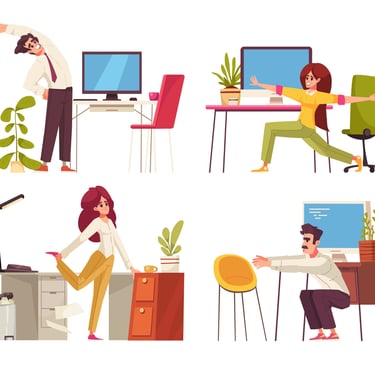
Move Every Hour
Even if you work at a desk:
Get up for 2–3 minutes every hour
Do ankle rolls, calf raises, or walk a few steps
Use a standing desk if available
Eat Like Your Vessels Matter
Focus on high-fibre foods (vegetables, whole grains, legumes)
Reduce salt and processed foods
Choose healthy fats (olive oil, nuts, avocado, omega-3 from fish)
Hydrate consistently — water is essential to maintain healthy blood flow
Manage Stress Proactively
Practice conscious breathing during the day
Use your lunch break to disconnect
Consider short mindfulness breaks or guided relaxation sessions
Consider Compression Socks (if sedentary or standing long)
These help veins push blood back toward the heart
Especially helpful during long work shifts or travel
Get Screened If You’re At Risk
If you have a family history of vascular disease, smoke, are overweight, or have high blood pressure or diabetes, you should speak to a vascular specialist — especially if you are in a high-risk job category.
Mauritius Needs Better Awareness of Vascular Health
While the island nation has made strides in cardiac and diabetic awareness, vascular health often remains in the shadows — even though it affects thousands silently. Workplace culture is shifting, but many still underestimate the long-term risks of modern jobs.
Whether you’re a 28-year-old financial analyst in Ebène or a 52-year-old delivery driver in the North, your circulatory health today shapes your mobility and quality of life tomorrow.
Conclusion: Your Job Shouldn't Cost You Your Legs
In the modern world, we’ve normalised sitting all day, skipping meals, rushing deadlines, and internalising stress. But your vascular system doesn’t forget.
Poor circulation is not an overnight condition — it develops in silence, and often only shows itself when damage is already advanced.
The good news? Most vascular issues are preventable.
With lifestyle changes, early screening, and increased awareness of how your job affects your body, you can protect your blood flow and stay mobile, energetic, and pain-free for years to come.
Is your job putting your circulation at risk?
👉 Talk to a vascular specialist today — early detection saves limbs, and lives.