Carotid Artery Disease
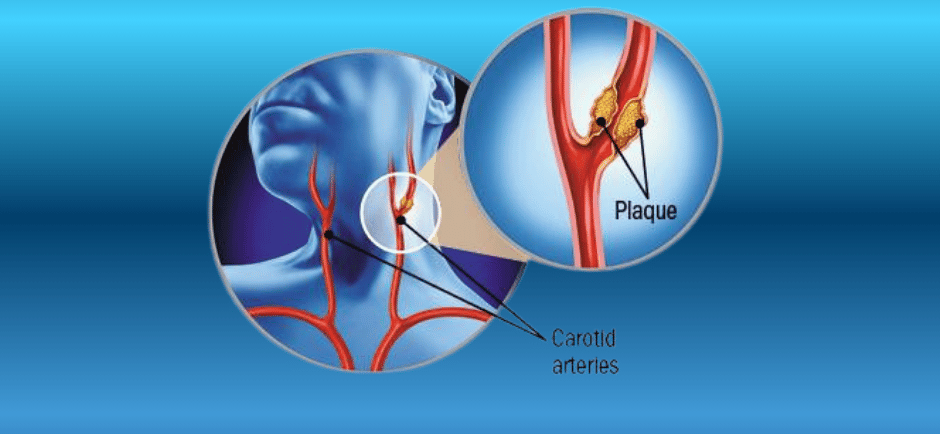
The narrowing of the carotid arteries is typically caused by atherosclerosis, a slow buildup of fatty deposits (plaque) on the artery walls. Over time, this buildup restricts blood flow and may lead to a complete blockage or cause a clot to form and travel to the brain.
7/17/20252 min read
Carotid Artery Disease
Carotid Artery Disease is a vascular condition that occurs when the carotid arteries — the major blood vessels located on either side of the neck — become narrowed or blocked. These arteries are essential for carrying oxygen-rich blood from the heart to the brain, and any compromise in this flow can significantly increase the risk of stroke.
Understanding the Condition
The narrowing of the carotid arteries is typically caused by atherosclerosis, a slow buildup of fatty deposits (plaque) on the artery walls. Over time, this buildup restricts blood flow and may lead to a complete blockage or cause a clot to form and travel to the brain.
Although this condition is part of the broader category of cardiovascular disease, it's important to note that Carotid Artery Disease is primarily a vascular issue. It involves the arteries outside the heart, and its management — particularly surgical intervention — falls within the scope of vascular surgery, not cardiology.
Why It Matters
Carotid Artery Disease is one of the leading causes of ischemic stroke, which occurs when the blood supply to part of the brain is interrupted or reduced. In many cases, people don’t experience any noticeable symptoms until the disease has progressed significantly or until a stroke actually occurs.
Symptoms
Most people with early-stage Carotid Artery Disease are asymptomatic, meaning they do not experience any symptoms. The condition is often detected during a routine physical exam when a vascular surgeon or physician hears a bruit — an abnormal sound in the neck arteries heard with a stethoscope.
When symptoms do occur, they may be related to transient ischemic attacks (TIAs), which are brief episodes of stroke-like symptoms and serve as serious warning signs.
Symptoms may include:
Sudden weakness or numbness in the face or limbs (especially on one side of the body)
Trouble speaking or understanding speech
Sudden loss of vision in one eye
Dizziness or loss of balance
Causes
Atherosclerosis (fatty plaque buildup in the arteries)
Ageing (risk increases over age 60)
Smoking
High blood pressure
Diabetes
High cholesterol
Family history of vascular disease
Risk Factors
Hypertension
Obesity
Sedentary lifestyle
Uncontrolled diabetes
Tobacco use
Personal or family history of vascular conditions
Male gender (though women are also significantly affected)
Complications
The most serious complication of Carotid Artery Disease is:
Stroke, which can result in permanent brain damage or death
Mini-strokes (TIAs), which signal an elevated risk of a future major stroke
Cognitive issues, particularly if multiple small strokes occur over time
Prevention
Quit smoking and avoid secondhand smoke
Maintain healthy blood pressure and cholesterol levels
Manage diabetes carefully
Exercise regularly
Eat a heart- and vessel-healthy diet
Attend regular check-ups, especially if you have risk factors
Diagnosis
Carotid Artery Disease is typically diagnosed using non-invasive imaging techniques such as:
Carotid ultrasound (Doppler imaging to detect narrowing)
CT angiography
MRI or MRA
Cerebral angiography, in selected cases
Often, diagnosis happens before symptoms emerge, especially during screenings for high-risk individuals.
Treatment
Treatment depends on the degree of narrowing and overall health of the patient. It may include:
Lifestyle changes (smoking cessation, diet, exercise)
Medications to manage cholesterol, blood pressure, and prevent clotting (e.g., statins, antiplatelet agents)
Surgical options when the narrowing is significant:
Carotid endarterectomy: surgical removal of plaque from the artery
Carotid artery stenting: placing a small metal mesh tube to keep the artery open (less common but used in selected cases)
These procedures are performed by vascular surgeons, whose focus is on restoring and maintaining blood flow in the body’s arteries and veins — including those leading to the brain.
When to Consult
If you are over 60 or have risk factors such as smoking, diabetes, or high blood pressure, it’s wise to consult a vascular specialist for an evaluation. In many cases, Carotid Artery Disease can be detected and managed early — preventing devastating consequences like stroke.