Aneurysm Repair
Understanding, detecting, and treating a silent but potentially life-threatening condition
Dr Vascular Care
7/17/20252 min read
What Is an Aneurysm?
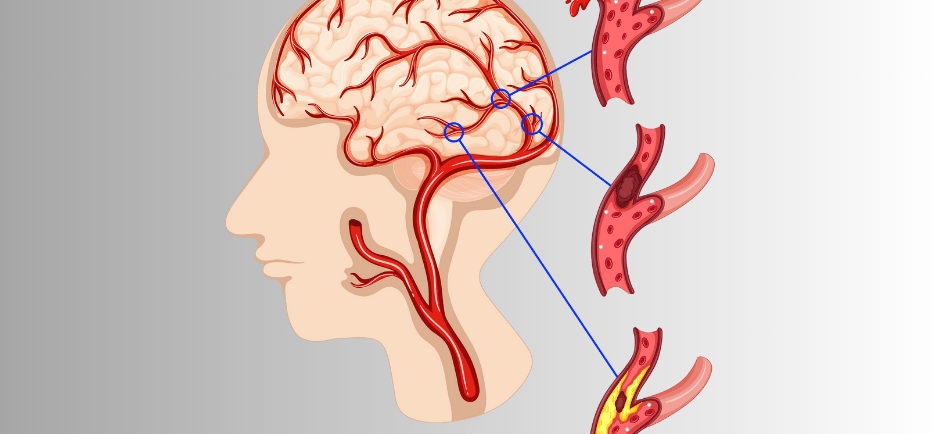
An aneurysm is a bulging or ballooning in the wall of a blood vessel, typically an artery. It occurs when the vessel wall weakens, allowing it to expand abnormally. While aneurysms can develop in various parts of the body, the most common types treated in vascular surgery include:
Abdominal Aortic Aneurysm (AAA) – occurs in the section of the aorta that runs through the abdomen.
Thoracic Aortic Aneurysm (TAA) – located in the chest section of the aorta.
Peripheral Aneurysms – in arteries outside the aorta, such as in the legs (popliteal artery) or arms.
Left undetected or untreated, an aneurysm can rupture — a medical emergency that often leads to severe internal bleeding or even death.
Silent but Serious: The Nature of Aneurysms
Most aneurysms develop silently. Many people have no symptoms and remain unaware of the condition until it is found incidentally during a scan for something else — or worse, after it has ruptured.
When symptoms do occur, they depend on the size and location of the aneurysm:
Abdominal aneurysm: Pulsating feeling in the abdomen, deep back or side pain.
Thoracic aneurysm: Chest or back pain, coughing, hoarseness, or shortness of breath.
Peripheral aneurysm: Pain, swelling, or a pulsating lump in the limb.
This asymptomatic nature underlines the importance of early screening for at-risk individuals.
What Causes an Aneurysm?
Genetic
Family history of aneurysms, connective tissue disorders (e.g., Marfan)
Lifestyle-related
Smoking, high blood pressure, high cholesterol
Age and Gender
More common in men over 65
Existing Conditions
Atherosclerosis (hardening of arteries)
The risk of rupture increases as the aneurysm grows, which is why monitoring aneurysm size is a key part of treatment planning.
Diagnosis
Aneurysms are usually diagnosed using imaging tests such as:
Ultrasound – common for abdominal aneurysms.
CT Scan / CT Angiography – provides detailed images for precise measurements.
MRI – sometimes used for thoracic or complex aneurysms.
In many cases, especially for abdominal aneurysms, routine screening is recommended for men aged 65 or older, particularly if they have ever smoked.
Treatment Options
Treatment depends on the size, location, growth rate, and overall health of the patient.
1. Monitoring (Watchful Waiting)
Small aneurysms may not require immediate intervention but need regular follow-up with imaging to ensure they don’t grow.
2. Surgical Repair
Recommended when an aneurysm reaches a critical size or shows signs of rapid growth.
Open Surgical Repair: Traditional surgery to remove and replace the weakened section of artery with a graft. Often used for younger, healthy patients.
Endovascular Aneurysm Repair (EVAR): Minimally invasive. A stent graft is inserted through a catheter in the groin to reinforce the artery. Recovery time is shorter.
Your vascular surgeon will determine the best approach based on medical history, anatomy, and surgical risk.
Prevention & Lifestyle Support
While not all aneurysms can be prevented, certain habits reduce your risk:
Quit smoking — a major contributor to aneurysm formation and growth.
Keep blood pressure and cholesterol under control.
Stay physically active and maintain a healthy weight.
Follow medical advice closely if you’ve been diagnosed with a small aneurysm.
When to Seek Medical Advice
Seek immediate care if you experience:
Sudden, intense back or abdominal pain
Fainting or dizziness
Rapid heart rate
Unexplained leg pain or swelling
These may signal a ruptured aneurysm — a life-threatening emergency requiring immediate surgery.
Final Word
Aneurysms are often silent until they become dangerous. But with proper screening, monitoring, and treatment, they are highly manageable — and potentially life-saving interventions are available.
If you or a loved one has risk factors for aneurysm or has been diagnosed with one, consult a qualified vascular specialist. Timely intervention can make all the difference.